
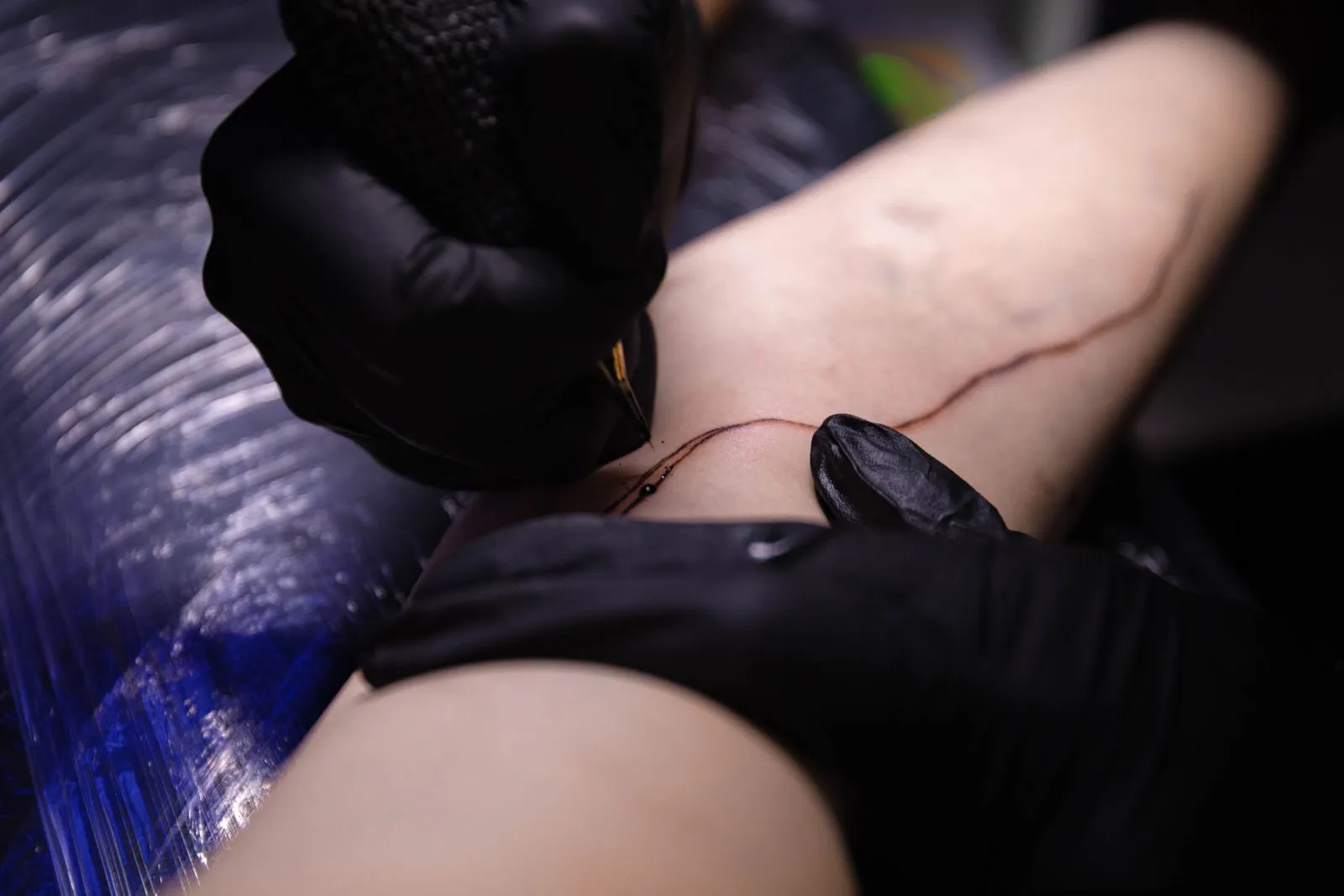
A watercolor tattoo often combines flowing color, layered shapes, and less-defined edges, so thoughtful preparation helps the design work well on your skin. Before your appointment, collect references that show the mood and color palette you like, consider how the tattoo will fit the chosen area, and write down questions for your artist. A clear conversation at the consultation can turn broad inspiration into a design that feels personal and suits your preferences.
Gather Clear Design References
Save a small collection of images that show what appeals to you: color combinations, brushlike shapes, movement, or the overall mood. Include references from more than one source, such as artwork, nature, or fabric. You do not need to find an existing tattoo that matches your idea exactly; references are starting points for a custom design, not instructions to copy someone else’s work.
Add notes to each image explaining what you want the artist to notice. You might like the loose color transitions in one reference and the subject matter in another. Also share what you want to avoid, such as a particular shade, dense coverage, or a sharply outlined look. A few specific notes are more useful than a large, unexplained folder of images.
Think Through Placement
Consider the size and shape of the design alongside the body area. A long, flowing composition may suit an arm or leg, while a compact design may fit better on a shoulder or upper back. The artist can help adjust the composition to the contours of your body and explain how the artwork may look when you move or view it from different angles.
Think about visibility, clothing, and how much of the tattoo you want to see day to day. Skin can also change with movement and over time, so ask how placement may affect fine details and color areas. If you are deciding between locations, bring your preferences to the consultation and ask the artist to compare the options using the design’s actual scale.
Prepare for the Consultation
Explain the idea in plain language: what the tattoo represents, which elements matter most, and where you are open to the artist’s interpretation. Discuss approximate size, placement, color preferences, and whether you want outlines or a softer edge. If the tattoo includes lettering or a specific subject, provide accurate wording and reference material so those details are clear from the start.
Ask how the artist will adapt your references into an original design, what changes they recommend for the chosen placement, and how they approach color in the style. Confirm how design review and revisions work, what you should bring on tattoo day, and which aftercare instructions you will need to follow. Share relevant skin sensitivities or healing concerns before the session.
Set Practical Expectations
Watercolor-style tattoos rely on color and soft transitions, but every design needs enough structure to remain readable. Ask the artist which details may need stronger contrast, simplified shapes, or a different scale. Discuss how the design may appear as it heals and what to expect from color over time. An artist can explain the choices that fit your idea and skin best.
Before you leave the consultation, make sure you understand the agreed placement, approximate size, design direction, appointment plan, and aftercare process. Avoid making last-minute changes without discussing how they affect the composition. If you need time to consider a proposed adjustment, say so; confirming the plan together helps you arrive prepared and confident.
Good preparation gives your artist a clear direction while leaving room for their expertise. Bring focused references, think carefully about placement, and ask direct questions about design choices, color, and aftercare. When you are ready to explore your idea, schedule a consultation with Rainline Tattoo and discuss what will work for you.